

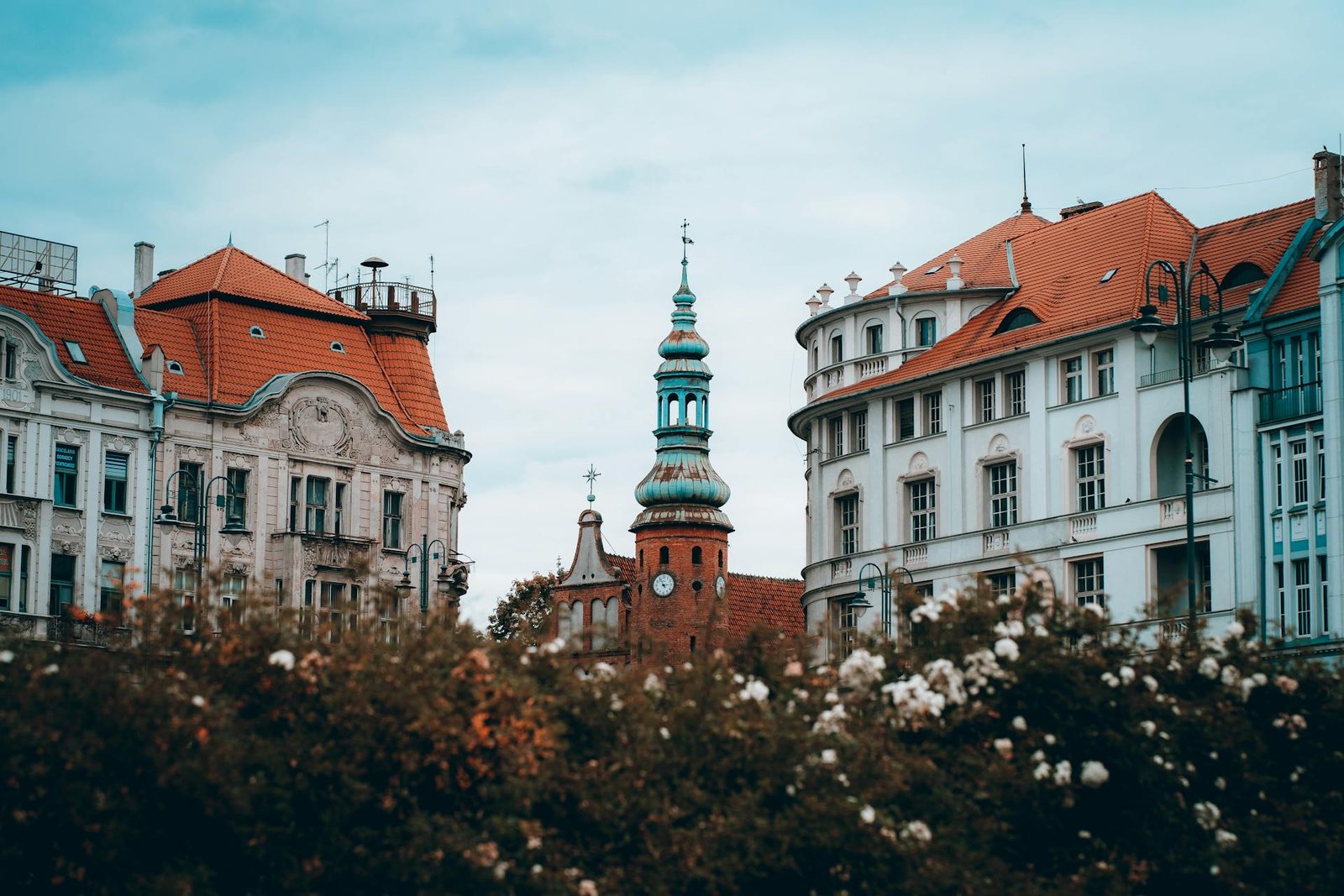
Prague is one of the most beautiful cities in Europe and a favorite for travelers who love history, culture, and charming old streets. Known as the City of a Hundred Spires, it has castles, cathedrals, cobbled squares, and lively traditions that have lasted for centuries. A visit here feels like stepping into a storybook.
This guide will help you discover Prague’s main highlights while also showing you parts of its culture and traditions that make the city truly special.
Old Town Square and Astronomical Clock
The Old Town Square is the heart of Prague and the first stop for many visitors. This wide open space has been the center of life in the city for centuries. It is surrounded by colorful houses, Gothic churches, and busy cafes.
The most famous sight here is the Astronomical Clock, built in the 15th century. Every hour, small figures of the apostles and other characters come out, and crowds gather to watch the show. The clock does not only tell time but also shows the position of the sun, the moon, and zodiac signs. Standing in front of it is like looking at a piece of living history.
Nearby, you will see the Church of Our Lady before Týn with its tall twin towers and the Baroque-style St. Nicholas Church. Both are open to visitors and worth stepping inside.
Prague Castle and St. Vitus Cathedral
No trip to Prague is complete without visiting Prague Castle. This huge complex sits on a hill overlooking the city and is considered the largest ancient castle in the world. Inside, you will find palaces, courtyards, gardens, and churches.
The highlight is St. Vitus Cathedral, a stunning Gothic cathedral with high ceilings, colorful stained glass windows, and detailed carvings. It has been the site of royal coronations and is the resting place of kings and saints. Climbing to the top of the tower gives you one of the best views of the whole city.
Other parts of the castle complex include the Old Royal Palace, Golden Lane with its small houses once used by workers and soldiers, and the changing of the guard ceremony held every hour.
Charles Bridge and the Vltava River
Connecting the Old Town with the castle side is Charles Bridge, one of the most famous bridges in the world. Built in the 14th century, it is lined with statues of saints and offers a perfect view of the Vltava River and the city skyline.
During the day, the bridge is full of street artists, musicians, and souvenir sellers. At sunrise or late evening, it becomes quieter and more peaceful, with soft light making it even more magical. Walking across this bridge is one of the best memories you will take from Prague.
You can also enjoy a boat ride on the Vltava River. Cruises offer a relaxing way to see the city from a different angle, with views of the castle, bridges, and historic buildings along the banks.
Wenceslas Square and Modern History
Wenceslas Square is in the New Town and is known not only as a shopping and dining area but also as a place of major historical events. It was here that protests and celebrations took place during key moments in Czech history, including the Velvet Revolution of 1989 that ended communist rule.
At the top of the square stands the National Museum, a grand building filled with collections about natural history, culture, and art. Even if you do not go inside, the building itself is worth admiring from the outside.
Local Food and Beer Culture
Prague is famous for its food and beer, both of which are an important part of local life. Traditional dishes are filling and rich, often with meat, dumplings, and sauces. Try goulash with bread dumplings, roast pork with sauerkraut, or svíčková, which is beef served with creamy sauce and dumplings.
For something sweet, look for trdelník, a rolled pastry covered with sugar and sometimes filled with chocolate or ice cream. It is especially popular with visitors walking around the Old Town.
Beer is a big part of Czech culture, and the country is known for brewing some of the best in the world. Pilsner was first created here, and you will find local brands like Pilsner Urquell or Budvar served everywhere.
Theater and Culture
Prague has a long tradition of music and theater. Classical music lovers will know the names of Czech composers like Dvořák and Smetana, and you can hear their works performed in concert halls around the city. The Municipal House and Rudolfinum are two of the best places for live performances.
Opera and ballet are performed at the National Theatre, a grand building by the river. If you want something more unique, Prague is also known for its puppet shows and black light theater, which use creative lights and puppetry to tell stories.
Street music is also part of the city’s charm. From violinists on Charles Bridge to jazz bands in small clubs, music is everywhere.
Local Traditions and Festivals
Throughout the year, Prague celebrates many traditions and festivals. At Christmas, the Old Town Square turns into one of the most beautiful holiday markets in Europe, with wooden stalls, decorations, and the smell of hot mulled wine.
In spring, the Easter markets are full of painted eggs, crafts, and traditional food. During summer, the city hosts music festivals, outdoor theater, and beer festivals that bring people together in squares and parks.
Other traditions include name days, when people celebrate the day of the saint they are named after, and local folklore events in villages around Prague.
Day Trips from Prague
While the city itself is full of things to do, you can also take short trips outside for more history and culture.
Kutná Hora is about an hour away and is famous for the Sedlec Ossuary, a chapel decorated with human bones, and St. Barbara’s Church, a Gothic masterpiece.
Karlštejn Castle, built in the 14th century, is another popular trip. It was once used to protect royal treasures and still looks like something from a fairytale.
If you are interested in beer, visit the town of Plzeň, the birthplace of Pilsner beer, where you can tour the brewery and taste it fresh.
Tips for Visiting Prague
The city is very walkable, and most main sights are close together. Wear comfortable shoes since many streets are cobbled.
The local currency is the Czech crown, not the euro, so make sure you have the right money. ATMs are easy to find, and cards are widely accepted.
Public transport is reliable and includes trams, buses, and the metro. A short-term pass makes it easy to get around.
Learning a few basic Czech words like “Dobrý den” (hello) and “Děkuji” (thank you) will make locals smile, even though most people in tourist areas speak English.
Conclusion
Prague is a city where history and culture are alive in every corner. From the grand castle and Gothic churches to the quiet courtyards and old pubs, every street has something to tell.
You can spend days walking through the Old Town, crossing the bridges, tasting traditional food, and listening to music, and still find more to see.
Whether it is your first visit or a return trip, Prague offers a mix of history, culture, and traditions that make it one of the most unforgettable cities in Europe.