

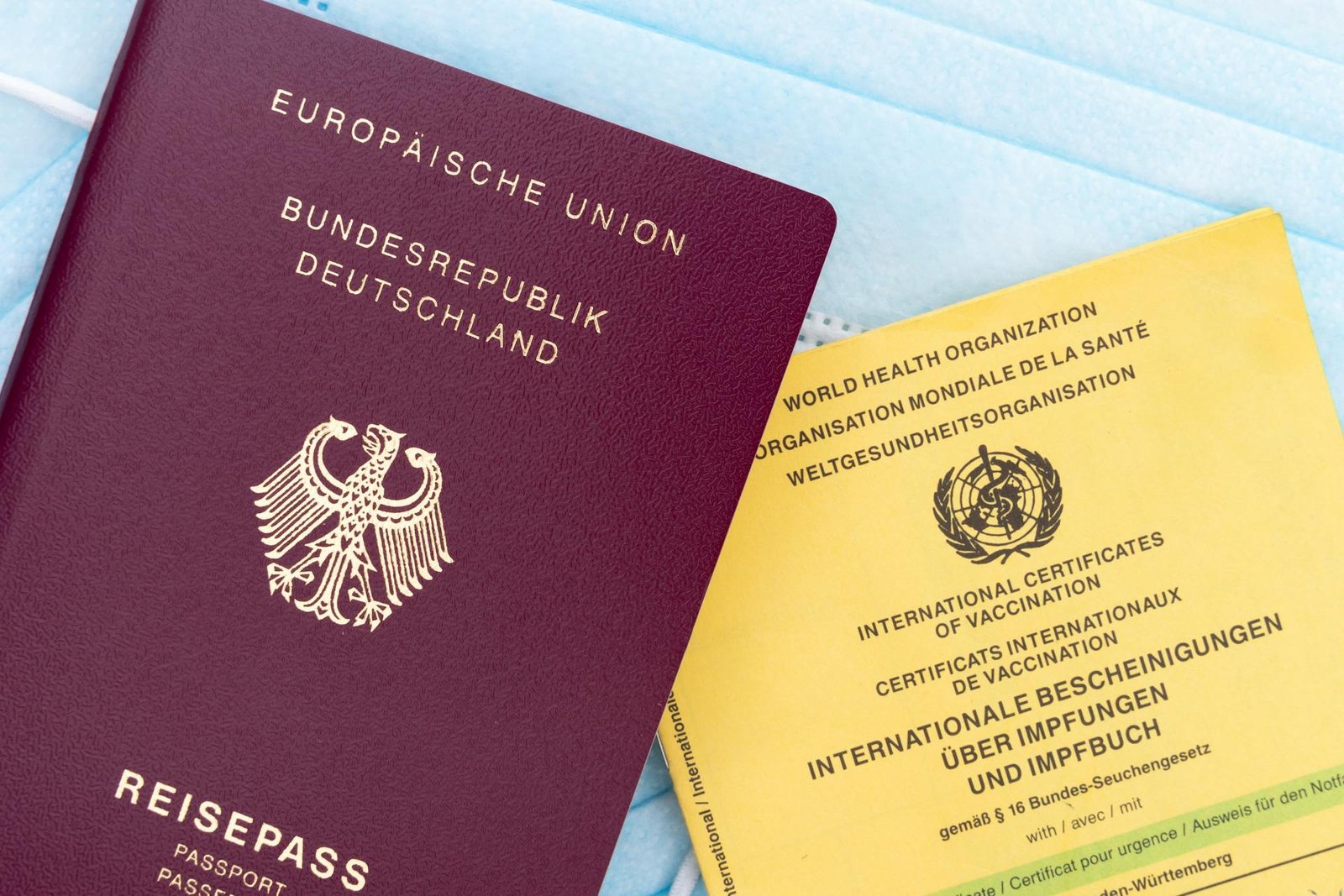
We all know how frustrating it can be to arrive at the airport and realize we forgot an important document. Missing papers can slow us down, create stress, or even stop us from traveling. That is why we need to be fully prepared before any trip. By organizing the right travel documents and keeping them safe, we can focus on enjoying our journey instead of worrying about paperwork. This guide will help us understand what documents to carry, why they matter, and how to stay organized.
Passport
A passport is the most basic and essential travel document for international travel. It proves your identity and citizenship, and it allows you to enter other countries.
Make sure your passport is valid for at least six months beyond your travel dates. Some countries will not allow entry if your passport is near expiration. Check the expiration date before booking flights to avoid last-minute problems.
It is also wise to have a few photocopies of your passport stored separately in case the original is lost or stolen. Some travelers take photos of their passport and store them securely on their phone or cloud storage for backup.
Visa
A visa is permission from a country to enter for a certain purpose and time. Not all countries require a visa for every nationality, so check the rules for your destination well in advance.
Visas can be obtained online, at an embassy, or on arrival in some countries. The type of visa you need depends on whether you are traveling for tourism, work, study, or other reasons. Keep a copy of your visa with you at all times, either as a paper document or a digital copy on your phone.
Travel Insurance
Travel insurance is a document that provides coverage in case of emergencies, accidents, illness, or travel disruptions. While not always required, it is highly recommended for all travelers.
Insurance policies may cover medical expenses, lost luggage, flight cancellations, and other unexpected events. Keep a printed copy of your insurance policy and emergency contact numbers. Many policies also provide a digital version that can be stored on your phone. Having travel insurance ensures you can get help if something goes wrong during your trip.
Flight Tickets and Boarding Passes
Your flight tickets or e-tickets are proof of your booking and travel plans. Airlines require these documents to check in for flights.
After check-in, you will receive a boarding pass, either printed or digital. Keep it easily accessible during security checks and boarding. Some travelers prefer to store electronic copies on their phone while carrying a printed backup. Having both options reduces the risk of delays or problems at the airport.
Hotel and Accommodation Confirmations
Proof of where you are staying is often required at immigration or for booking verification. Carry hotel reservations, confirmation emails, or receipts for vacation rentals.
These documents provide details such as the hotel address, check-in and check-out dates, and payment information. Keeping them organized makes check-ins smoother and can prevent confusion if multiple reservations exist. Travelers may store both printed and digital copies for convenience.
Transportation Documents
Depending on your trip, you may need documents for trains, buses, car rentals, or ferries. Keep tickets, rental agreements, or reservation confirmations handy.
For car rentals, carry your driver’s license, rental agreement, and insurance information. For trains or buses, print tickets or have them saved on your phone. Having these documents organized avoids delays and ensures you reach your destinations on time.
Identification Cards
Apart from your passport, carry an official ID such as a driver’s license or national ID card. This is useful for domestic travel, checking into hotels, or verifying your identity in emergencies.
Some countries require additional identification for certain activities, like buying train tickets, boarding domestic flights, or accessing restricted areas. Carrying an ID along with your passport ensures you are prepared in all situations.
Emergency Contacts and Important Addresses
Carry a list of emergency contacts, including family, friends, and your travel agent if applicable. Include addresses of embassies or consulates in the countries you are visiting.
Having these contacts written down or saved digitally allows quick assistance in emergencies, such as lost passports, medical issues, or travel disruptions. Always keep this list separate from your passport for safety.
Health Documents
Some countries require proof of vaccinations, medical certificates, or COVID-19 test results. Carry documents for routine medications, allergies, or medical conditions.
Traveling with health documents ensures you comply with entry requirements and can access medical care if needed. Keep a copy of prescriptions and a doctor’s note for any essential medications. This prevents delays at immigration and ensures your health needs are met abroad.
Financial Documents
Carry necessary financial documents such as credit cards, travel money cards, and proof of funds if required. Some countries ask for evidence of sufficient funds to cover your stay.
It is wise to carry photocopies or digital backups of credit cards in case they are lost or stolen. Keep emergency cash in a separate place for added security. Managing your finances properly prevents stress and helps you avoid last-minute problems while traveling.
Itinerary
Your travel itinerary is a summary of your trip, including flights, accommodations, transportation, and activities. Keeping a printed or digital copy helps you stay organized and reduces stress during travel.
An itinerary can also be helpful in emergencies, showing your planned movements and contacts. Sharing a copy with a family member or friend at home provides an extra layer of safety.
Visas and Entry Forms
Many countries require travelers to fill out arrival forms, customs declarations, or electronic travel authorizations. Complete these documents accurately to avoid delays.
Keep digital or printed copies as needed. Some countries also require departure cards or exit forms. Understanding the entry and exit requirements of your destination ensures a smooth border experience.
Copies of Important Documents
Carrying copies of all important travel documents is essential. Keep one set in your bag, another in your luggage, and consider digital copies stored securely.
Copies reduce the impact of lost or stolen documents. They help you get emergency replacements and continue your trip with less disruption. Organize copies of your passport, visas, insurance, tickets, and IDs for quick access.
Organizing Travel Documents
Keeping documents organized makes traveling easier. Use a travel wallet, folder, or envelope to separate passports, tickets, and other papers.
Label sections clearly and group items by category, such as identification, transport, accommodation, and emergency contacts. Organization reduces stress and saves time at airports, hotels, or checkpoints.
Keep Documents Safe
Safety is important when carrying travel documents. Avoid leaving them unattended in public spaces. Consider using anti-theft bags, money belts, or neck pouches for added security.
Keep digital backups of important documents stored on your phone or cloud. In case of loss or theft, digital copies help you replace documents quickly. Being careful with your documents prevents complications during your trip.
Digital Versions
Many travelers use digital copies for convenience. Take photos or scan documents and save them on your phone or cloud storage.
Some airlines and hotels accept digital tickets and confirmations, but always check requirements. Digital documents complement physical copies and reduce the risk of losing important information.
Check Entry Requirements
Before traveling, verify entry requirements for your destination. Some countries require specific visas, vaccinations, or health documents.
Checking in advance prevents last-minute surprises or denied entry. Websites of embassies and official tourism authorities provide the most accurate and up-to-date information.
Plan for Special Circumstances
Certain trips may require additional documents. Traveling with children may need birth certificates or parental consent letters. Business trips might require letters from employers or invitations.
Understanding special document requirements ensures you are fully prepared and prevents delays. Tailor your document checklist to match your specific travel situation.
Final Review Before Departure
Before leaving, review all documents to ensure everything is complete and up to date. Organize your travel wallet, double-check digital backups, and make sure important contacts are accessible.
A final review reduces stress and ensures you are ready for smooth travel. Having all essential documents at hand allows you to focus on enjoying your trip rather than worrying about paperwork.
Conclusion
When we bring the right travel documents, our trips become much easier and less stressful. Having our passport, tickets, and travel insurance means we don’t have to worry about getting stuck or facing unexpected problems. Including other important papers, like identification and health records, helps us stay prepared for anything.
Organizing and protecting your documents, keeping copies, and checking entry requirements prevent problems while traveling. Being prepared allows you to focus on the experiences and enjoyment of your journey. Proper planning of travel documents is the foundation of stress-free and safe travel, making every trip more enjoyable and secure.